

U.S. stock futures showed notable activity in premarket trading today, with several major companies making significant moves before the opening bell. Stocks like Exxon Mobil, Carnival, Delta Air Lines, and General Motors grabbed investor attention as global events, oil price fluctuations, and economic signals influenced early trading sentiment.
Premarket trading is often a key indicator of how markets may perform throughout the day. It reflects overnight developments, breaking news, and investor reactions to macroeconomic factors. Today’s biggest movers highlight how geopolitical tensions, commodity prices, and sector-specific updates are shaping the U.S. stock market in 2026.
Exxon Mobil Slides as Oil Prices Fluctuate
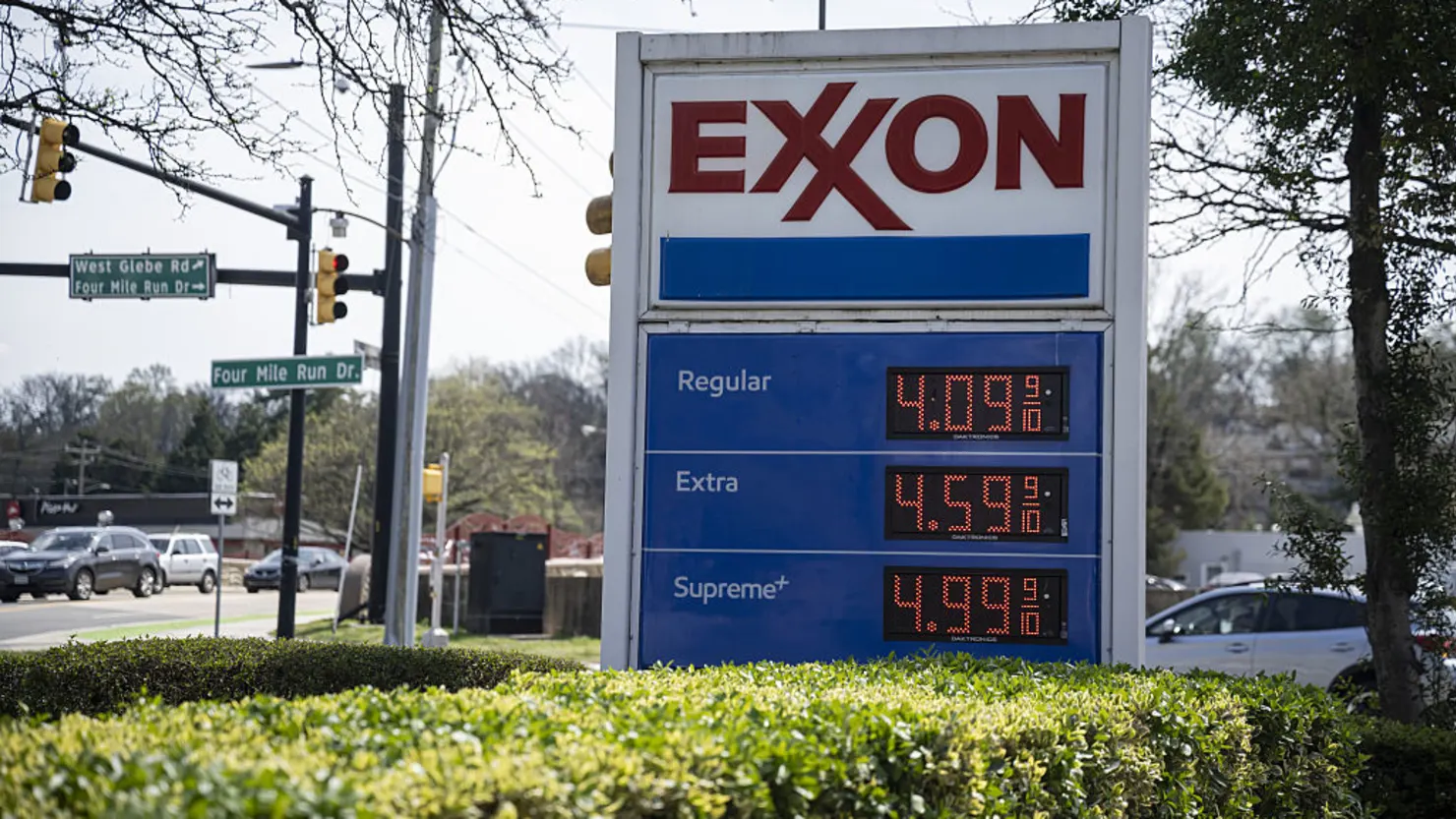
Exxon Mobil was among the most closely watched stocks in premarket trading, with shares moving lower due to a dip in oil prices. Reports suggesting possible easing of geopolitical tensions contributed to a decline in crude oil, putting pressure on energy stocks.
The energy sector has been highly volatile in recent weeks, largely driven by developments in the Middle East. While Exxon Mobil previously benefited from rising oil prices, any sign of stabilization or decline in crude prices tends to impact the stock negatively.
Despite the premarket dip, Exxon remains a strong long-term player due to its diversified operations and robust cash flow. However, short-term price movements continue to be closely tied to global oil market dynamics.

Carnival and Travel Stocks Gain Momentum
Carnival Corporation saw gains in premarket trading, reflecting renewed optimism in the travel and leisure sector. Investors are hopeful that easing geopolitical tensions could reduce fuel costs and encourage more travel demand.
The cruise industry has been recovering steadily after years of disruption, and companies like Carnival are benefiting from strong booking trends and improving consumer confidence. Lower fuel costs can significantly boost profitability for cruise operators, making this sector particularly sensitive to oil price movements.
Additionally, analysts have pointed out that travel demand in the United States remains resilient, especially for leisure activities. This has helped support stocks like Carnival during early trading hours.
Delta Air Lines Reacts to Fuel Cost Concerns
Delta Air Lines experienced mixed movement in premarket trading as investors weighed the impact of fuel prices on airline profitability. Rising jet fuel costs—linked to recent geopolitical tensions—have created uncertainty in the aviation sector.

Airlines are highly sensitive to fuel price fluctuations, which can significantly impact operating margins. While demand for air travel remains strong, higher costs can limit profit growth and weigh on stock performance.
That said, Delta continues to be a major player in the U.S. airline industry, with strong revenue streams and operational efficiency. Investors are closely monitoring how the company manages cost pressures in the current environment.
General Motors Faces Pressure After Sales Data
General Motors was another major mover in premarket trading, with shares declining following weaker-than-expected sales figures. The automaker’s recent performance raised concerns about slowing demand in the U.S. automotive market.
The automotive sector is currently navigating several challenges, including higher interest rates, supply chain adjustments, and shifting consumer preferences toward electric vehicles. These factors have contributed to volatility in auto stocks like General Motors.

Despite the short-term pressure, GM remains focused on its long-term strategy, particularly its investments in electric vehicles (EVs) and autonomous driving technology. Investors are watching closely to see how these initiatives impact future growth.
Broader Market Trends Influencing Premarket Moves
Today’s premarket activity reflects several broader trends shaping the U.S. stock market:
1. Geopolitical Developments
Global tensions, particularly in oil-producing regions, continue to influence market sentiment. Changes in these conditions directly affect energy, travel, and transportation stocks.
2. Commodity Price Volatility
Oil prices remain a key driver of market movements. Energy companies benefit from higher prices, while airlines and cruise operators face cost pressures.

3. Sector Rotation
Investors are shifting between sectors based on economic outlook and growth potential. Energy and travel stocks are currently experiencing opposite trends depending on oil price movements.
4. Economic Indicators
Premarket activity is also influenced by economic data such as inflation, employment, and consumer spending, which provide insights into the overall health of the U.S. economy.
What Investors Should Watch
Premarket movers offer valuable insights for both short-term traders and long-term investors. Stocks like Exxon Mobil and General Motors highlight risks tied to global events and economic cycles, while Carnival and Delta show how sensitive certain industries are to fuel costs and travel demand.
For active traders, premarket volatility presents opportunities to capitalize on price swings. Meanwhile, long-term investors may use this information to identify trends and adjust their portfolios accordingly.
It’s also important to consider that premarket movements do not always translate into sustained trends during regular trading hours. However, they provide an early signal of investor sentiment and potential market direction.
Conclusion
Today’s premarket session showcased a mix of gains and losses across key sectors. Exxon Mobil faced pressure due to declining oil prices, while Carnival benefited from optimism in the travel sector. Delta Air Lines and General Motors reflected broader industry challenges tied to fuel costs and demand concerns.
As the U.S. stock market continues to evolve, keeping track of premarket movers can help investors stay ahead of trends and make informed decisions. Whether you are a day trader or a long-term investor, understanding these early movements is essential in navigating today’s dynamic financial landscape.